By Brian Park
TAICHUNG, Taiwan (BRAIN) — Taichung Bike Week is not a typical trade show. There is virtually no media, there are no consumers. No YouTubers, no influencers, nobody livestreaming next year's hottest bike fashions.
It's almost exclusively a B2B event for original equipment (OE) buyers and suppliers. It runs as a collaborative, non-profit event coordinated by the Taiwan Bicycle Association (TBA) and the Taichung Industrial Development & Investment Promotion Committee (IDIPC). Held across three hotels within walking distance in downtown Taichung, factories set up in hotel rooms hoping designers from component brands will use them to manufacture products, and component brands display their products hoping that product managers from bike brands will spec them as original equipment. Needless to say, it's a great place to figure out where the industry is headed in 2028-2029 and beyond.
In addition to BRAIN, I oversee Outside's consumer bike sites Pinkbike and Velo. So while I mostly spent time speaking with leaders at various component brands, factories, and bike companies about the future, I may also have nerded out on a few new products. Here are a few things I learned, some products that caught my eye, and a few looks behind the curtain of the industry.
1. The bike industry is growing, or shrinking, or dying, or booming. I don't know anymore
While some themes were consistent at the show, I got wildly conflicting reports on the health of the industry in Taiwan. The Taiwan Bicycle Association's position is that the worst is behind them, especially in Europe. While Taiwan's bike unit export numbers are still dropping, unit costs are rising as they focus on higher end products.
But lots of industry insiders have more tempered optimism. The collapse of Accell group (Ghost, Lapierre, Haibike, and more) is likely to cause collateral damage as all their existing inventory are available in a fire sale. It's difficult for a healthy brand to sell a full-price product when a former Accell brand's similar product is available at a massive discount.
And even with several high profile bankruptcies, many of those brands are expected to reappear in the future — as both YT Industries and Rocky Mountain did over the past 18 months. Ultimately the pie isn't growing, and from someone who will remain anonymous: "there are still too many f*cking brands."
2. Generational change continues.
Taiwan's factories are largely family owned. Many of the founders who built these places in the 60s, 70s, and 80s are retiring or already gone. Their kids are often university educated, and have spent time abroad or at other bigger companies in preparation for coming home and taking the reins.
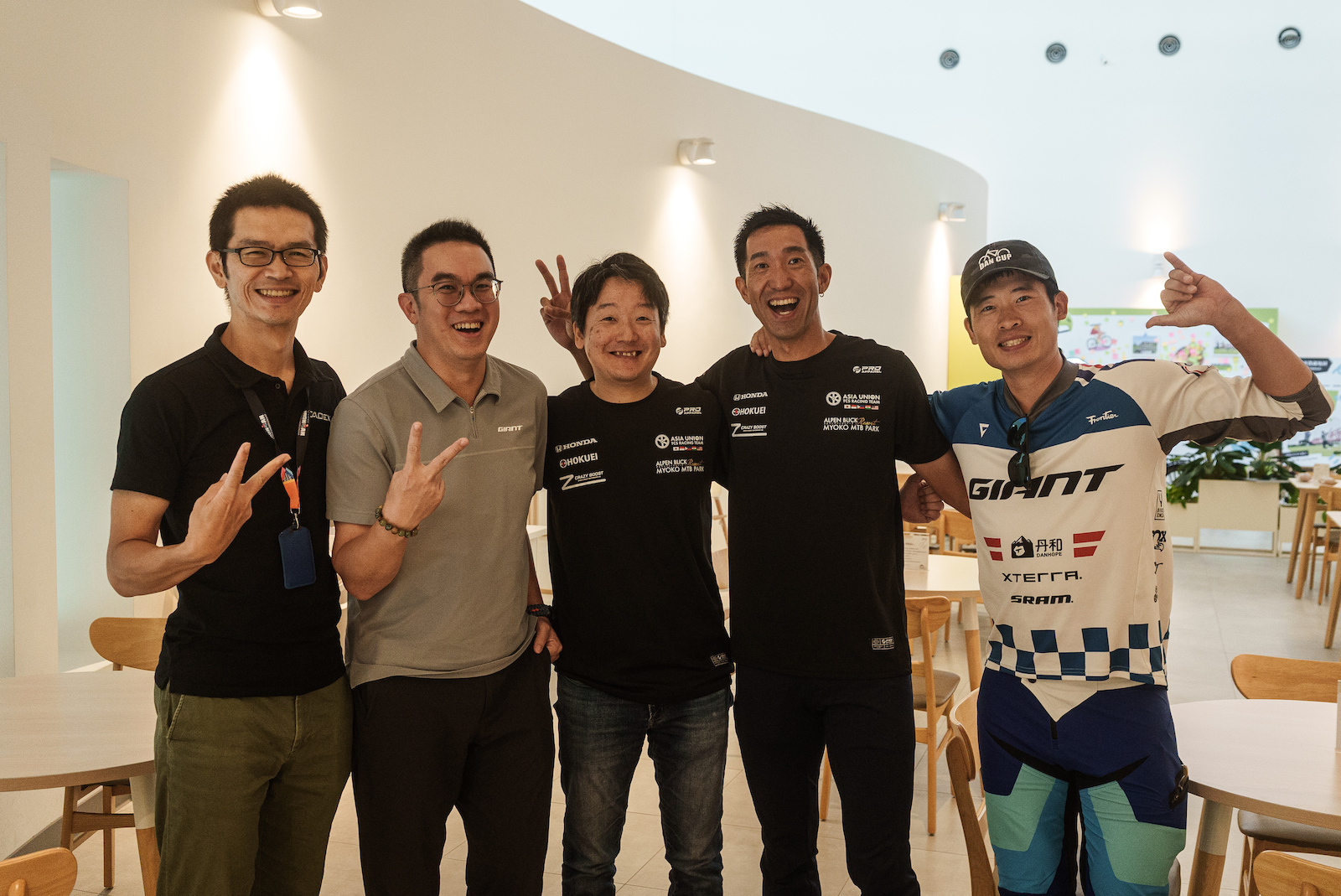 I don't know enough to judge, but I haven't seen much of the problematic nepotism associated with second- and third-generation family businesses. The up-and-coming leaders I've had the chance to speak with are engaged, driven, and practical. They've often worked a variety of the positions (including hands-on manual work) before being allowed to take on more responsibility.
And generational change isn't just at the leadership level. Ora Engineering makes high end titanium frames and parts (read Dario's nice showcase of their factory). They're quite busy these days, in part they say because some customers who left for suppliers in Mainland China are coming back. But with high skill welders they can't scale up as easily as factories with more repeatable, automated work (for example CNC shops, forging companies). There's no SOP in the world that can replace years of framebuilding experience.
They tell me that they're working on transitioning their oldest, most experienced fabricators into instructor/mentor roles. They're betting that an investment in training will pay off and prevent decades of knowledge disappearing when those older workers retire.
3. 32" wheels are moving along, but eCVTs and short cranks are on everyone's radar
Honestly I was surprised not to see more development related to 32-inch wheels. In the past, a wheel size change has been accompanied by a frenzy of retooling. I suspect my timing is off and all the 32-inch wheel stuff got done the past few years (I haven't been to this show for over a decade).
 The imminent launches of eCVT systems on the other hand was a huge topic of discussion. It seems that every major player (and at least one smaller player) has a high power eCVT in development for the 2028-2029 model year, and the factories and component brands are busy preparing for the changes they will bring. The most obvious change is a bunch of singlespeed hubs that allow for wider spoke bracing angles and respect whatever chainline the eCVTs end up being.
I also heard rumblings about a new chain pitch standard that would better deal with high torque eCVT systems. I'm not ready to start yelling about it until I know more, but it's surprising that current singlespeed BMX and track chains can't be made to handle the power output. Surely if an Izumi V Super Toughness (a standard 1/2" x 1/8" track chain with a threaded master link) can handle Jeffrey Hoogland's 2,700-watt sprints, it can handle an eCVT?
An aside, it's surprising to me that so much eCVT development seems to be centred on performance mountain biking. I hope the brands have data that mountain bike consumers want this, because it seems to me that the technology will be best suited to urban cargo bikes and light electric vehicles.
Also, short cranks. Short cranks everywhere. A few new brands popping up, and a few offerings from established brands coming soon. Mostly 150mm-160mm versions, and largely focused on eMTB.
4. The bike trade show situation is a chaotic nightmare
ZIV (the German national bike trade association) and Fairnamic (Eurobike) were in full effect at TBW, pitching their respective, competing visions for European bike shows. Eurobike is moving earlier, and ZIV's high pricing surprised people. Brands are nonplussed. More than one tells me they're giving up on global EU trade shows and will do smaller regional shows instead.
 From a lazy media guy perspective I think that's a shame. It's nice to have a major, centralized European show that we can show up to and do our jobs. Spreading to every small event is going to be rough on everyone's budget, and will be less impactful for everyone.
I heard from several people that this year's Bike Week was slow and that people were disappointed. I haven't been in a long time so I don't have the perspective, but it seemed lively and had lots of the right people there. Given the low lift and proximity to factories, I feel like it'll be one of the last shows standing.
It's a similar story with the Taipei show in the spring. There's lots of growth and hype from the China Cycle show, but most of the brands I spoke to said they'll be doing both next year. I think we'll do both as well.
5. The bike industry should be looking for innovation in new places
I had the opportunity to briefly explore the Taipei Innotech Expo on my way home. I was impressed with the huge number of high school and college kids showing off their manufacturing-based innovations.
It's not a bike show by any means, and I don't think anyone else from the western bike industry attended. For brands looking to do more than source standard bike products in mature product categories, I think shows like this are worth attending. Yes, there was a lot of defense-oriented drone and AI tech, but there were also many ideas for practical manufacturing.
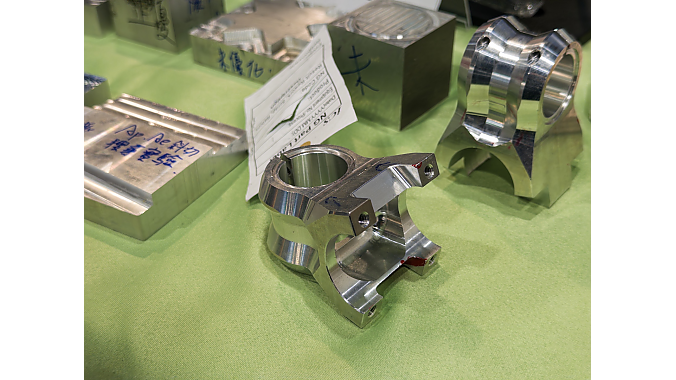
220nm e-bikes, AI pricing, and subscription-based, software-defined suspension products aren't going to improve the bike industry in the long term. Ultimately there's something special about cycling, and we still need better, lighter, stronger, cheaper, and lower impact products to get more people on bikes. Manufacturing is more accessible than ever, and my naive hope is that as an industry we explore new, better ways to draw tubes, forge cranks, mold helmets, and finish stems. Time will tell!
Park is the Executive Director of Cycling Content at Outside.

-
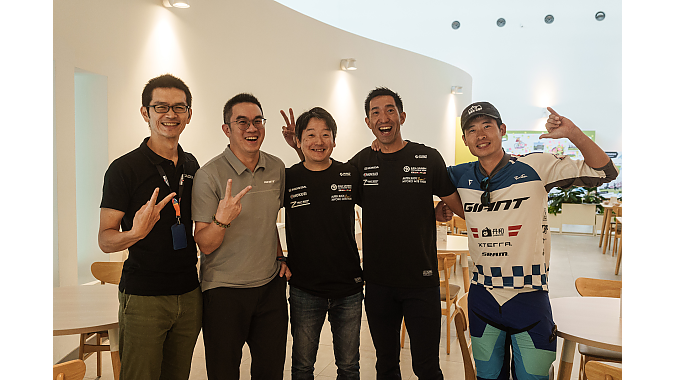 Marcel Yang (2nd from left) is Acting Chief Commercial Officer at Giant. He is part of a new generation of leaders at Taiwanese bike companies. It was great to talk shop with him and and meet the folks from the Asia-Union TCS Racing Team.
 -
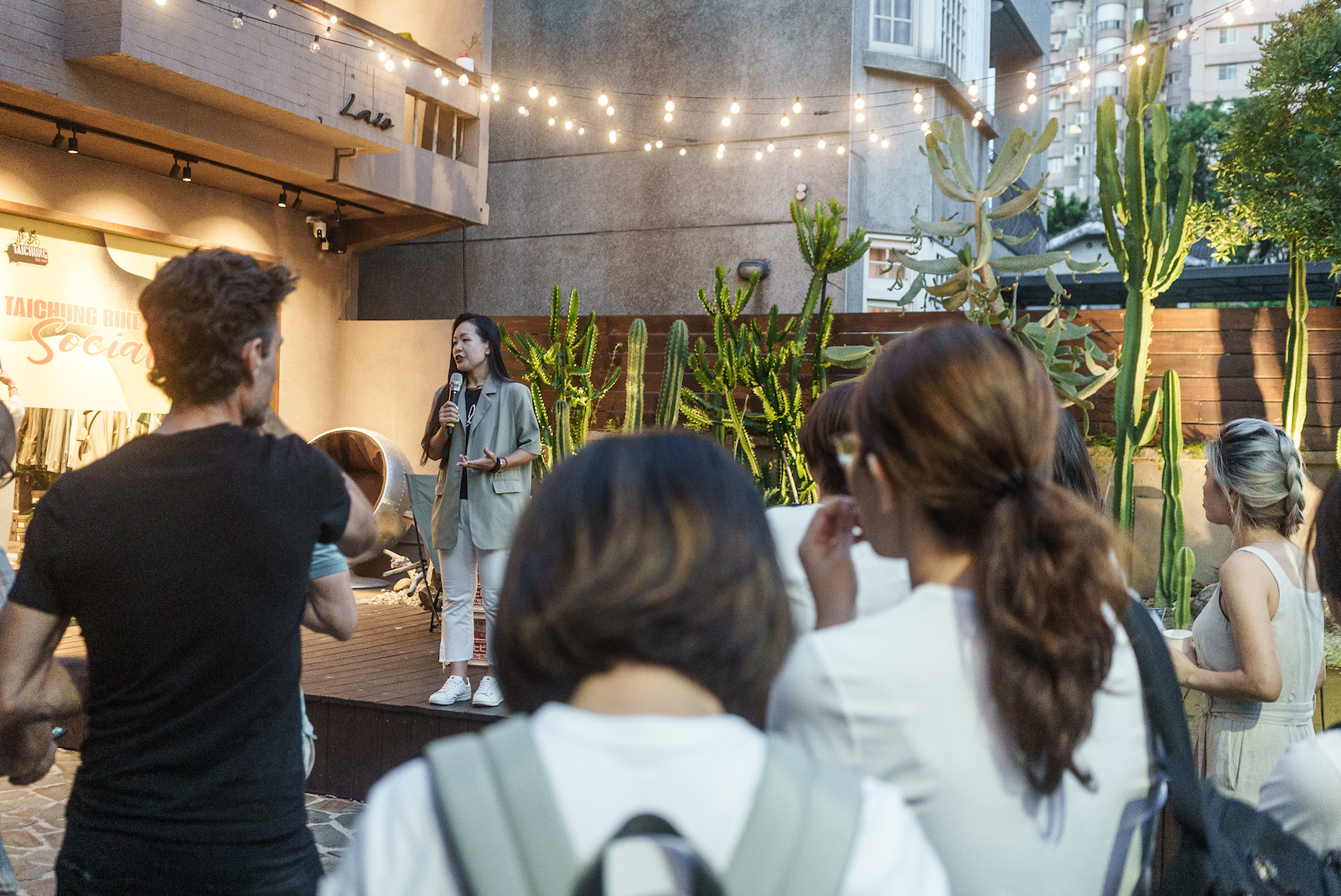
 Elisa Chiu speaking at a small industry gathering she organized through Anchor Taiwan and Bike Venture.
 -
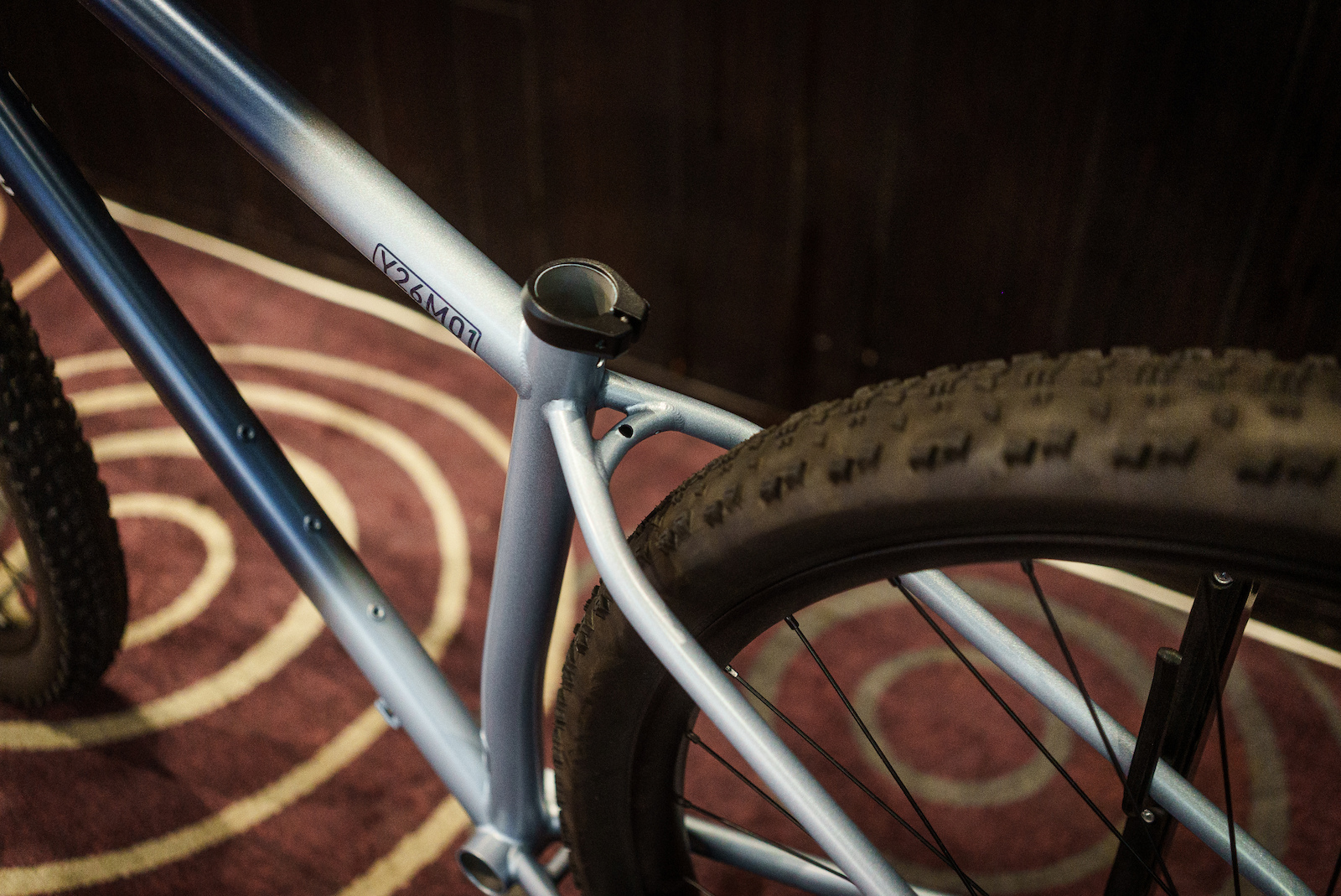
 The catchily named open model Y26M01 32" frame from steel bike specialist Maxway looked very nice.
 -