A version of this feature ran in the September issue of BRAIN.
BOULDER, Colo. (BRAIN) — For our September magazine edition, we asked our State of Retail panel members: How’s your service department's revenue and volume trending this year? What are your challenges and best practices for hiring and training qualified mechanics?
LANCASTER, CALIF.: Paul Avila, owner Paul's Squeaky Wheel Bike Shop
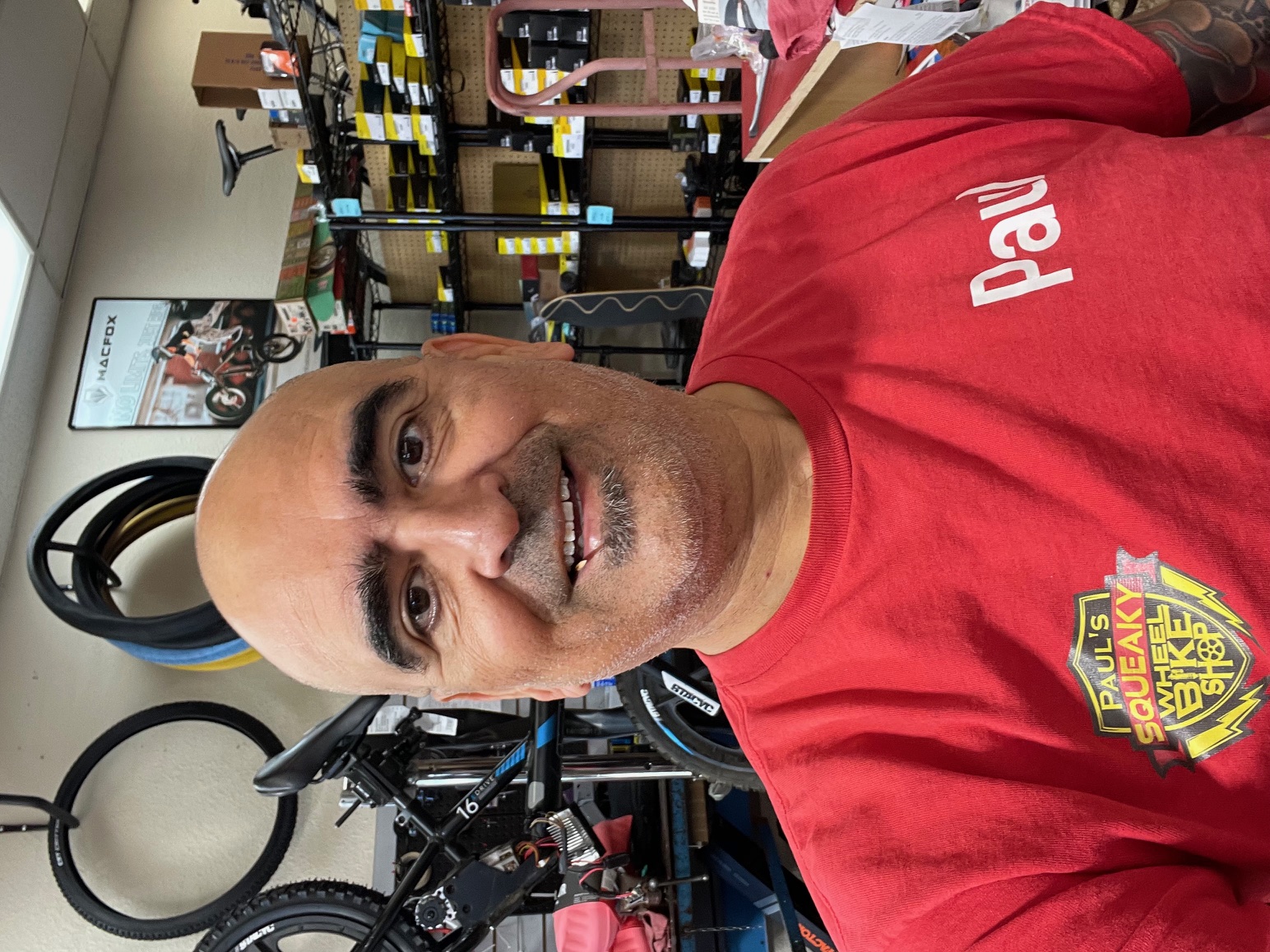
Service typically generates over 30% of our revenue, but we’re seeing a 5% dip in service revenue compared to January-July of last year. Alongside of this, other sales have increased, which tells me customers are buying parts from us, but choosing to do repairs and upgrades themselves. We're also seeing a 14% drop in the number of tuneups year-over-year. This is making things challenging because labor is a very critical profit sector for us. The current economy and war situation are keeping people away — from well off professionals to low-income families.
Demand for service dips once the weather changes from summer to fall, and I have no choice but to cut back on staffing and overhead. On the other hand, we're now seeing that when the temps go up into the high 90’s in the summer, the number of customers drops. Long heatwaves are definitely hurting us, and I'll be cutting staff back a bit to try and save some overhead this summer. Turnaround times for tuneups are around one to three weeks for us during the busiest times, usually May through September.
We’re recruiting our 2027 State of Retail Panel, nine bike shop owners, managers, and/or staff who answer timely questions about selling and servicing bicycles and contribute to one of our most widely read features. Being a panelist is a one-year commitment that provides retailers a chance to share their perspective with readers of BRAIN. On a monthly basis, starting in December 2026 and ending November 2027, we'll email a short questionnaire to our panelists and their responses will appear with their profile photo online, and in the monthly print issues of BRAIN from January-December 2027. To learn more about this unpaid, year-long commitment, please reach out to Julie Kelly at [email protected].
Qualified mechanics in the Antelope Valley region are so rare it's scary. My local colleagues and I have gone through the Trek University and the Shimano TEC programs. My most experienced employee has done the Fox Academy modules, and it's helped him learn how to handle suspension services properly. Finding fresh talent in our area is difficult. We've tried to find people that are enthusiastic about bikes, work on their own stuff, and are willing to learn, but it's been hit or miss.
SOMERVILLE, N.J.: Marc Cianfrone, owner Pops Bike Shop
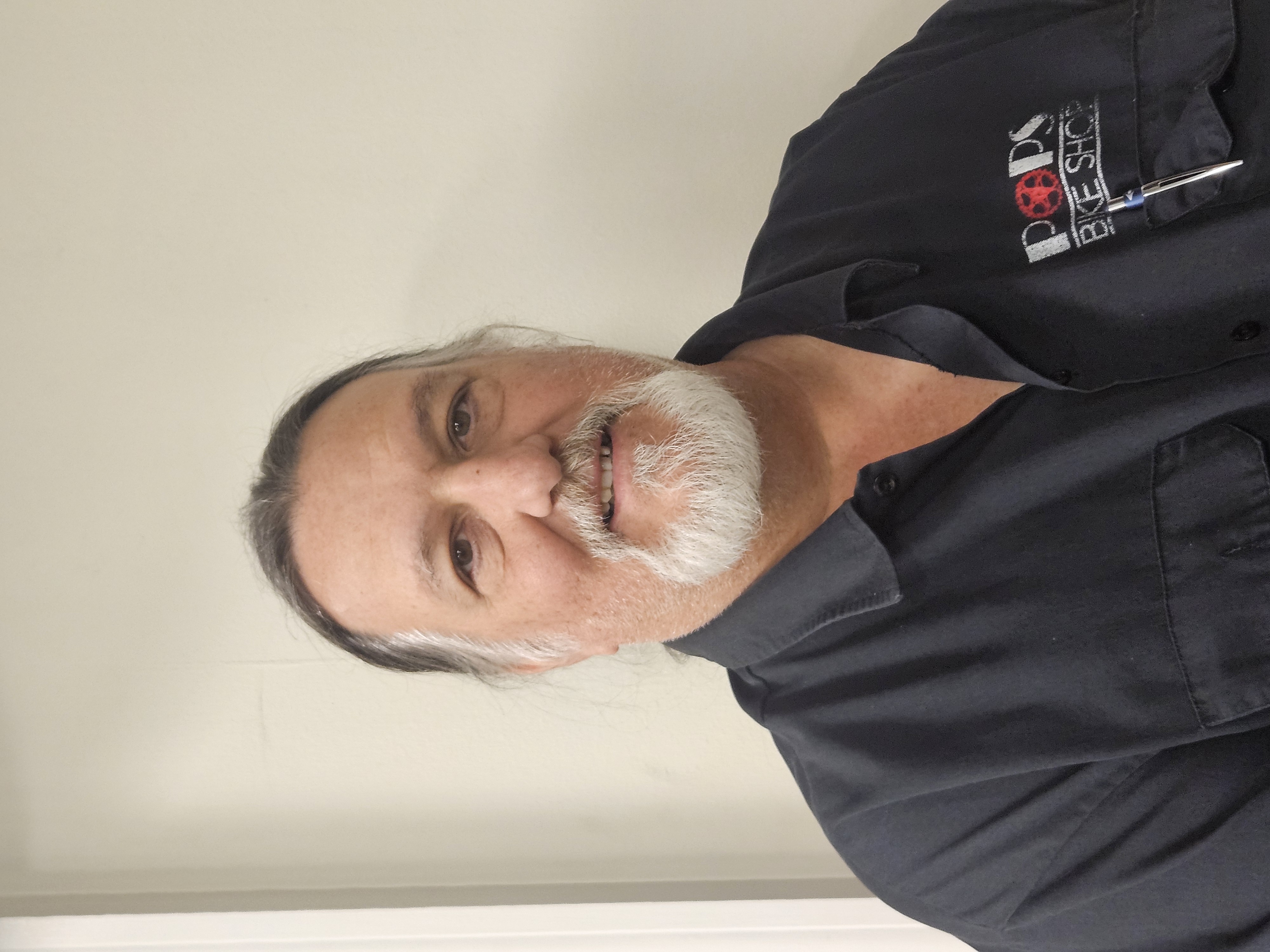
Service makes up over 25% of our overall sales, and that number has been trending upward over the last 24-36 months. We are in the Northeast, so the majority of service is realized between April and September for us. We staff two extra full-time employees during those months, with our core staff kept on year round. Finding experienced mechanics is always a challenge and normally occurs when an area shop shuts down and they come looking for employment. We have had success with finding people that are mechanically inclined with a basic concept of bikes, and we prefer to then train them in-house to our standards. That way, we don’t have to break too many bad habits that were learned elsewhere. We encourage the online training offered by vendors, and try to attend workshops and meetings offered by vendors in the area whenever possible.
BUFFALO, N.Y: Jim Costello, sales director Bert's Bikes and Fitness
Service dollars are small in comparison to sales. You need to generate sales to make your pot as big as can be to support service, but if your service is low quality, no one will buy bikes from you. Getting the right sales and service mix is the key here. Service should be around 10% for us, and it’s been trending up these last few years. We sell an awful lot of bikes. Because we're in the Northeast, the demand for service is from March-October. We try never to go over a three-day turn-around all season, and our service departments build a lot of bikes, too.
The struggle to hire and train mechanics is real. Not a lot of folks have bike knowledge for sales, let alone bike mechanic knowledge for service. Our director of training, John Jansen, has devised our in-house Service Training Program, Bert's Bike and Fitness Service University (BBFSU). If you keep updating it, it works quite well.
SANTA ROSA, Calif.: Sophia Emad, social media/event specialist and sales associate Breakaway Bikes
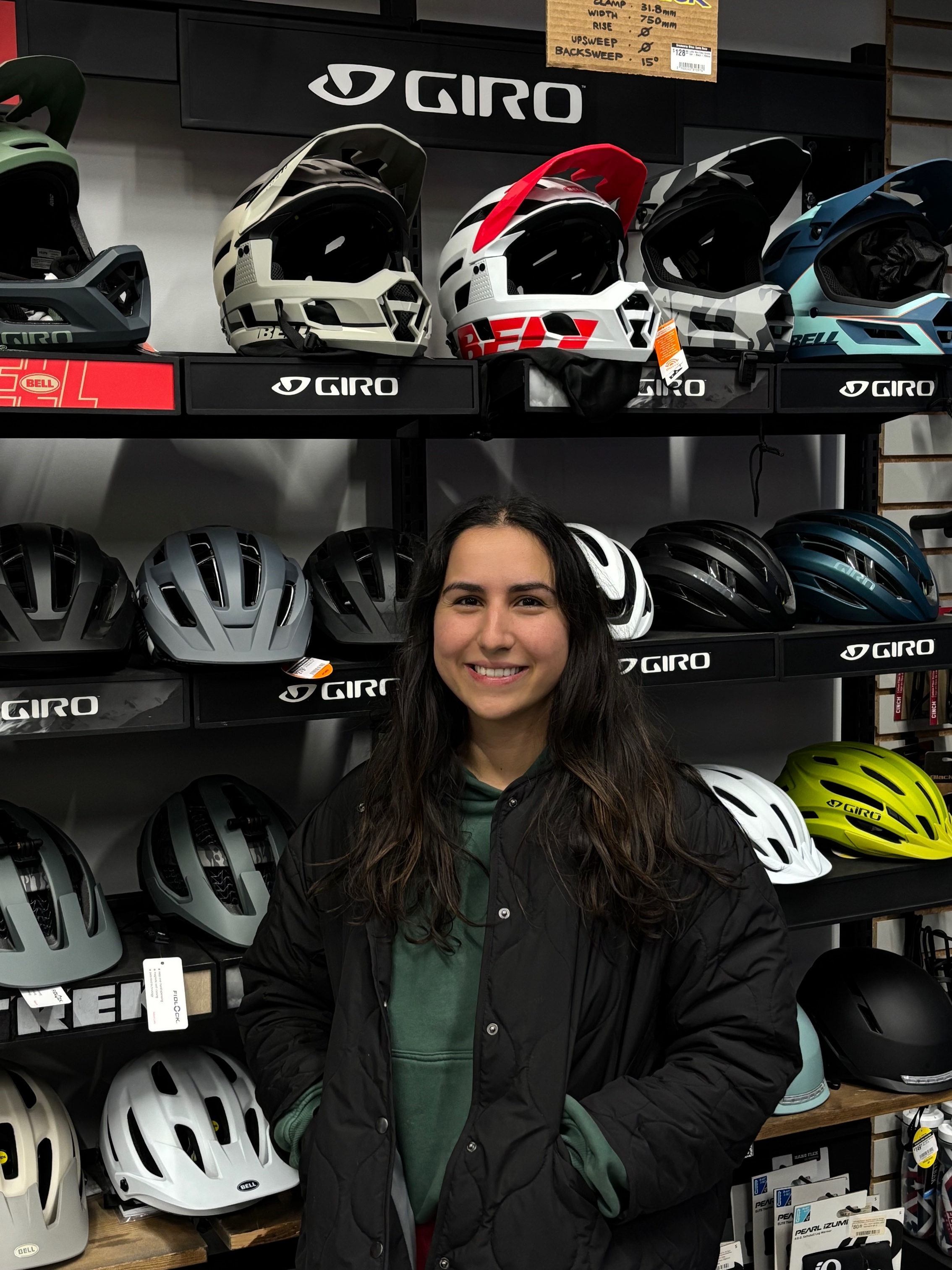
Our revenue from service hovers around 35%, but we have seen an upward trend in the last two to three years. We have recently invested more in our service department, which includes hiring another skilled mechanic, which has been great for the shop. Our busiest time of the year is the summer shoulder months. During this time we are usually sitting at a solid five-day turnaround for service, unless, of course, we are ordering parts in which case we are dependent on the vendor. Our goal is to underpromise and overdeliver. Hiring anyone can be tricky, no matter the role, but we have gotten very lucky with our mechanics who we have met through the cycling community. Our mechanics are constantly learning the latest technology, and we send them to in-person training when it’s possible.
EDMONTON, Alberta: Mark Rumsey, general manager and owner Hardcore Bikes
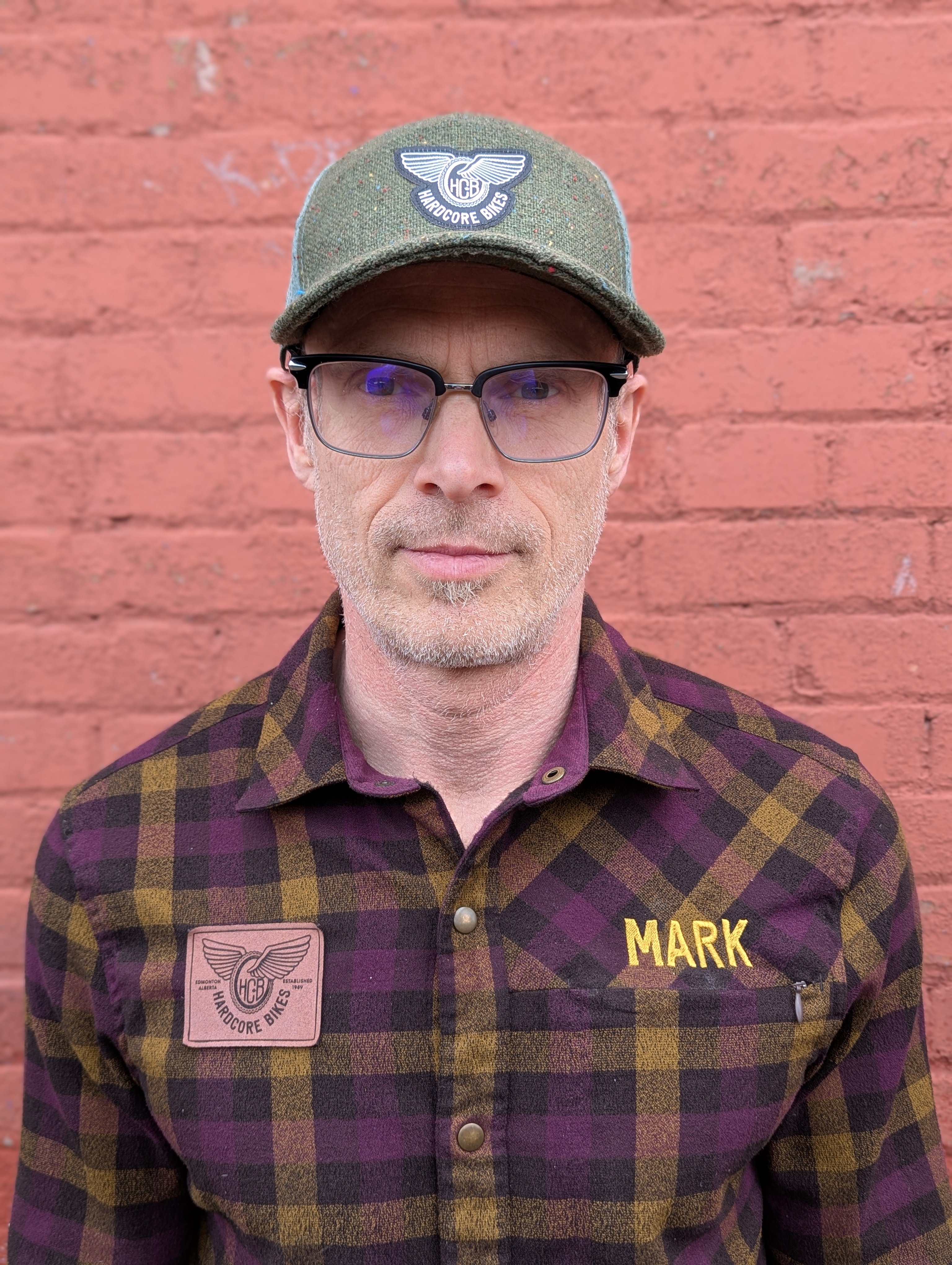
Service accounts for 16% of our overall revenue year-to-date, and it’s up 25% from the same period in 2025. This is a "good news/bad news" situation. The good news is we have invested heavily in our service department over the last few years, and it is paying off as service is up 18% year-over-year. The bad news is service as a percentage of sales is also up due to bike and accessory sales being down over 2025. Given our long winters, our service levels are very seasonal. This year was even more compressed with a very late spring. Some of our production mechanics work longer hours from April to June to keep the turnaround reasonable, but this year we were still three weeks out in peak season. We are fortunate in that we have service staff that have been with us a long time and are all very experienced. We do not have a formal system for keeping up with the latest technology, but online resources are very good.
INDEPENDENCE, Ohio: Matthew Schieferstein, manager/bike fitter Gear Up Velo

About 40% to 50% of our revenue comes from service, though some of it doesn't originate from the service department, but from our bike-fitting and sizing-consultation services that add to our overall direct labor revenue. Gear Up Velo has a strong reputation for mechanical service, so we stay somewhat busy during the year, but the time between April and October is our busiest. We are essentially a two-person team with shared experience in all facets of the shop (service, sales, fitting, etc.). Turnaround times are mostly affected by delays in necessary parts, unforeseen service needs on current repairs, and sheer volume of repairs. Most experienced mechanics in our area have been at their respective shops for many years and have no reason to look elsewhere. When interest arises, it falls on making sure their technical acumen suits our needs, they are available, and they are receptive to keep up on new technology.
WHITEHOUSE, Texas: Laurie Simpson, manager/buyer Simpson's Fitness & Adventure Sports

Labor accounts for only 10% of our total sales. The labor percentage doesn’t include parts that went into a work order. Year-to-date, we are up 2.87%, and that’s due to a single high-end Trek Madone that we sold. Our slow time for service demand is from the end of September through February. We don’t have many repairs; turnaround times are the same. We moved to a two-man show — my husband and I — running the service department. We try to hire mechanics that love high-end product and can’t wait to go ride their bikes. This way, if our repair volume is low, they don’t mind the reduction in hours.
BENTONVILLE, Ark.: Brent Van Eps, co-owner Trackstand Cyclery and Tavern

We’re primarily a service-based shop that sells used bikes, components, accessories, lubes, and the like. About 97% of our business (excluding sales from our onsite tavern) is service. Service is getting busier each week lately with parts sales slowing down, but brake pads, chains, tire sealant, and spokes holding steady. We are pretty busy from the spring through the late fall. Winter, even here in Bentonville, slows way down. I am the only staff member on the bike side. We keep turnaround times to about 24-48 hours for big stuff and same day or while you wait for smaller jobs. I come in early and stay late to keep things rolling. As a one-mechanic show, I can’t speak much about hiring challenges, but I know there are some great and well-qualified candidates coming through the Bicycle Technician Program that I teach at NorthWest Arkansas Community College.