A version of this feature ran in the November issue of BRAIN.
BOULDER, Colo. (BRAIN) — For our November magazine edition, we asked our State of Retail panel members: How’s business for kids’ bikes and accessories? What are your key challenges and best practices, and what could manufacturers do to help with this segment?
LANCASTER, CALIF.: Paul Avila, owner Paul's Squeaky Wheel Bike Shop
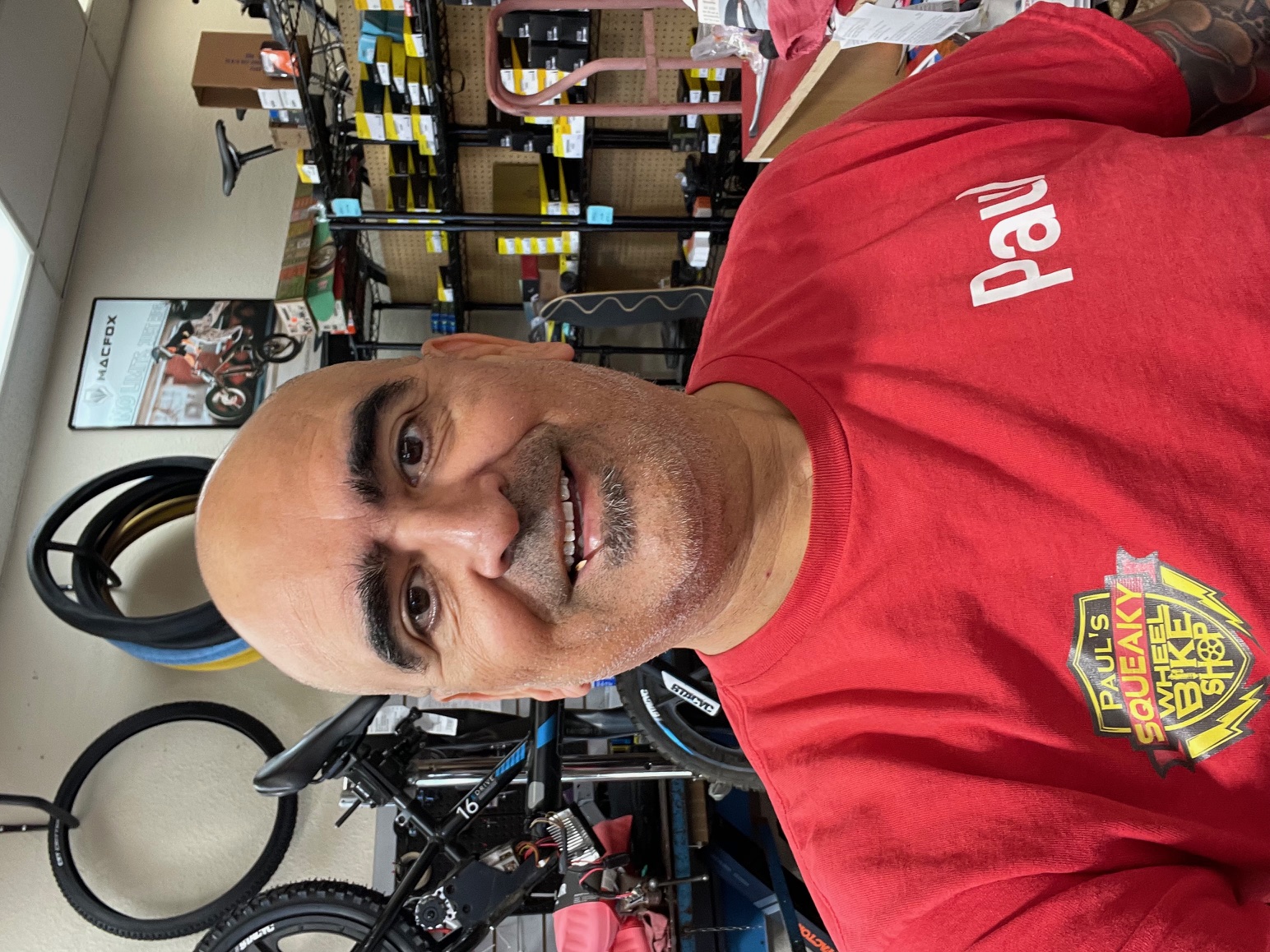
The challenge for our shop selling kids’ bikes and accessories is the parents not wanting to spend money on a quality product. With the local BMX track making a slow comeback, I am considering bringing in a few race bikes, but it would have to follow demand, and currently demand is way down. We've sold a few tubes and some race tires, but it's not worth it to stock product that's not going to move. I used to stock Strider-type balance bikes and some other kids’ bikes, but the demand was very low. Currently, I just keep a couple used kids’ bikes and one brand new bike on the floor. Service-wise, we do a fair amount of kids' bikes every week, but our customer base treats our shop as a last resort when their kids’ local big-box store bikes fall apart. And if it's not repairable, they just leave for Walmart to buy another "bike" for their kid. In the grand scheme of things, I don't see my shop being a resource for kids' bikes or accessories in the future, so once the current stock is sold, I'm not restocking until December for the Christmas shoppers.
SOMERVILLE, N.J.: Marc Cianfrone, owner Pops Bike Shop
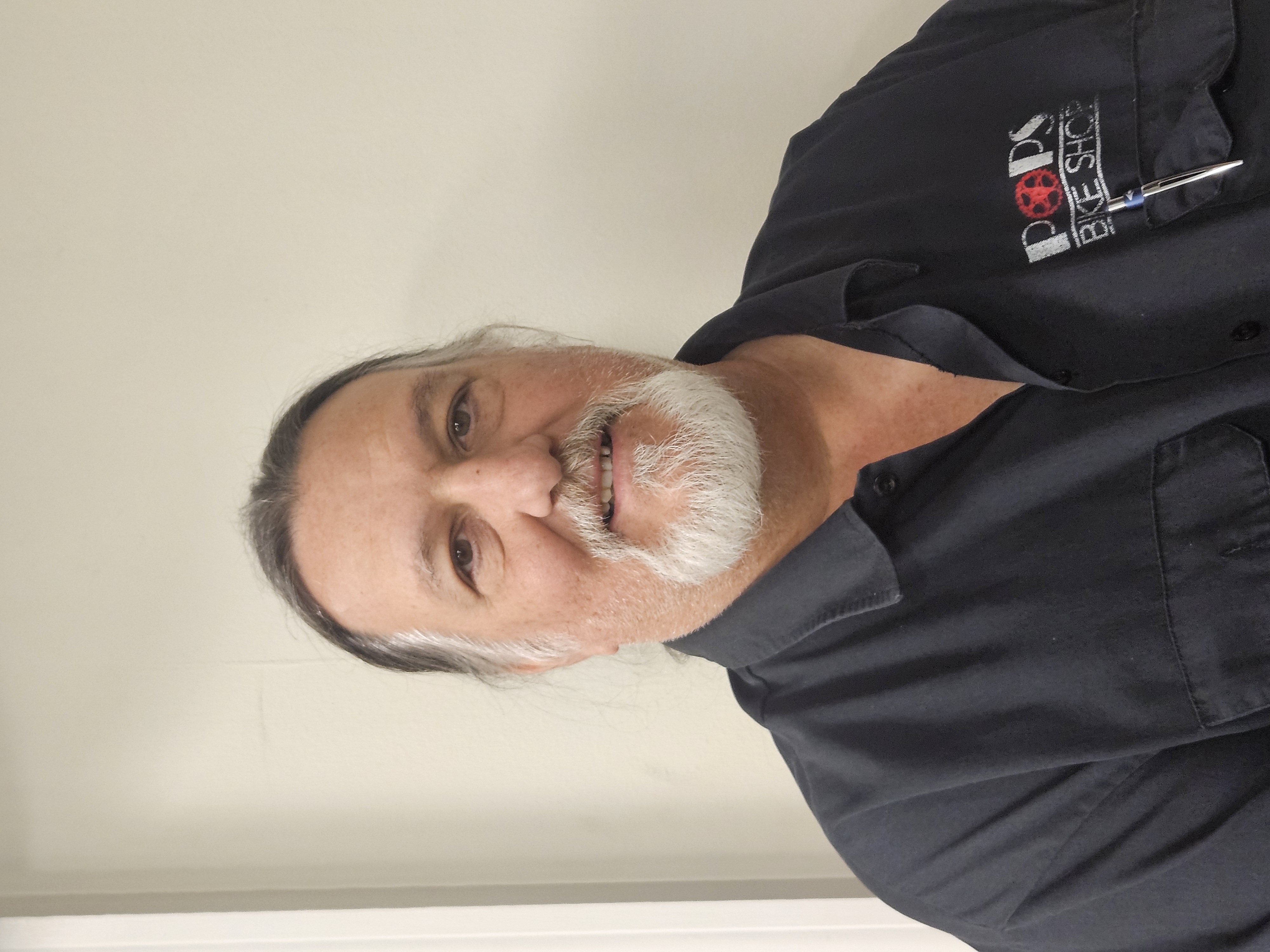
We allocate about 10%-15% of our floor space for kids’ bikes and accessory items. They more than pay for their square footage, sometimes better than other categories like clothing or certain parts and accessories. We have done very well with bringing in a new kids’ bike line that was not one of the big four brands. It has better price points and margins. We also do well with accessories like streamers, bells, helmets, etc.
The fact that some big brands have abandoned the kids’ market, specifically for 16-inch and 20-inch coaster brake models, is something they should be embarrassed about. What ever happened to getting a customer hooked on your brand and creating loyalty forever? They’re ceding the market to department stores, where kids will have a bad experience and then never get into cycling. The larger brands have no clue what the family/kids bike customers want. They are looking for reasonably priced, quality bikes in good colors. We don't need race level kids’ bikes.
BUFFALO, N.Y: Jim Costello, sales director Bert's Bikes and Fitness
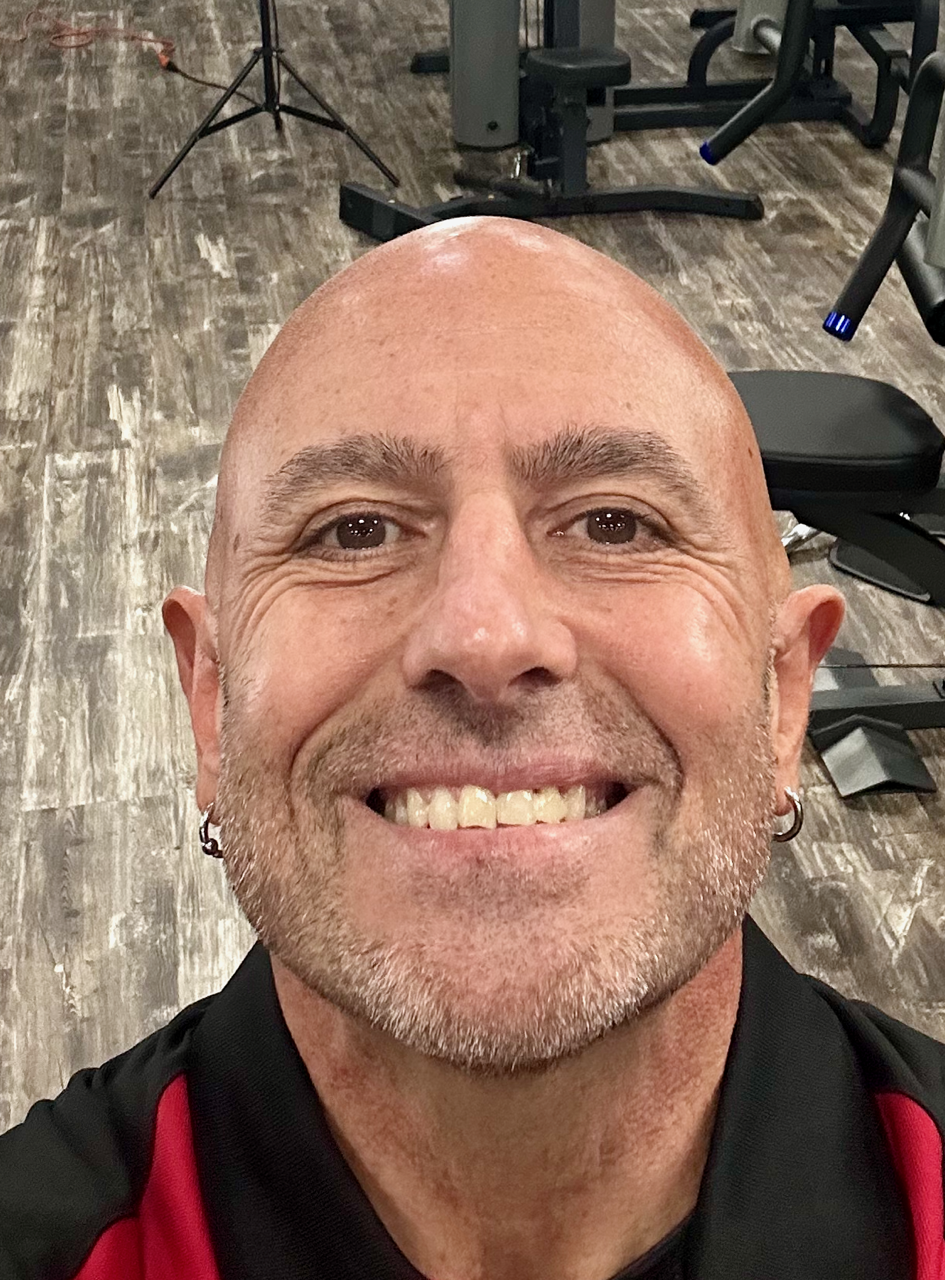
Listen up dealers: Kids' bikes are where it's at! Don't ignore them. Don't give all of your sales away to the big boxes. Nothing in the bike business beats selling a child their first bicycle. Our kids' bike category has been up, generating a lot of revenue for the last few years. Demand is strong here. We like to say, "You never forget where you bought your first bike!" and we offer a three-year trade-in program. We spend a lot of time and effort marketing kids’ bike initiatives like rodeos, bike buses, and anything to do with getting kids on bikes. It's our mission really. You create customers and memories for life. The only challenges are you taking the time and effort to sell a bike that's not expensive or the latest and greatest. Manufacturers need to manufacture and then get out of the way here. They also need to stop skimming off margin in this category. It needs to be at a minimum 40%, and better close to 50%. We need manufacturers to keep supporting kids by making the category exciting and attractive with the right product at an affordable price.
MITCHELL, S.D.: Kourtney Denne, co-owner Ron’s Bike Shop
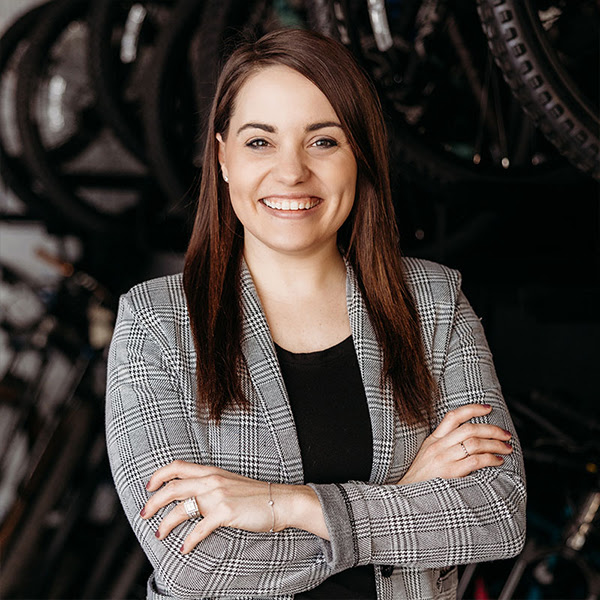
We dedicate approximately 200 square feet of our 1,800-square-foot shop to kids’ bikes and accessories. From a revenue standpoint, it is one of our lower-producing categories simply because the sales volume is much lower compared to our adult bike and other product categories; however, keeping kids on bikes is something that is important to our family and to the future of cycling. We believe there is a continued need for quality, accessible kids’ bikes in our shop and our community.
Price point is one of our biggest challenges when selling kids’ bikes and accessories. As family budgets tighten, we continue to see prices increase on many quality kids’ bikes. One of our best practices is helping families understand the value of purchasing a quality bike while also offering options at different price points, including used bikes when available. Manufacturers can help independent bike shops by continuing to develop quality kids’ bikes at affordable price points. We need products that allow us to compete with lower-priced alternatives while still giving families the quality, serviceability, and experience they expect from a specialty bike shop. Keeping kids on bikes starts with making cycling accessible and affordable for families.
SANTA ROSA, Calif.: Sophia Emad, social media/event specialist and sales associate Breakaway Bikes
Selling kids' bikes and accessories is one of the best parts of being in this business. We have always made it a point to include a wide array of options for young cyclists, and are lucky to be based in an area that emphasizes getting more kids on bikes: there are youth teams, youth programs, etc. That being said, our year-to-year demand for this category is pretty consistent, and we have about a solid quarter of our shop dedicated to kids' bikes and accessories. Sales in this category count for about 22% of our annual bike sales. The biggest challenge we see when selling kids' bikes/accessories is the growing cost compounded with online direct-to-consumer competitors. If manufacturers could lower free-freight minimums it would make these bikes easier to get, stock, and have ready to sell on the floor.
EDMONTON, Alberta: Mark Rumsey, general manager and owner Hardcore Bikes
Kids' bikes are a category in which we have seen a significant increase in sales, up 38% year-over-year. Of our 1,600 square feet of sales area, kids' bikes take up a small percentage, about 40 square feet, if that. Similarly, in dollars, kids' bikes are a small percentage of our sales. In units, however, that percentage is higher, at about 12%. The main challenge is less about selling kids' bikes and more about stocking them — namely, profitability due to shipping charges as a percentage of cost. We aren't a high-volume shop, so it’s difficult for us to hit free or discounted shipping minimums on bikes. We offset that by ordering kids' bikes only with larger orders, but special orders mean we take a big hit on overall margins. Shipping programs are an area where manufacturers could help our business.
INDEPENDENCE, Ohio: Matthew Schieferstein, manager/bike fitter Gear Up Velo

We have always stocked and sold kids' bikes and accessories, like Striders, BMX, entry-level MTB, and so on. We've recently seen a decreased demand for these categories, in bikes more so than accessories. We allocate less than 10% of our square footage to kids’ bikes, and it generates less than 10% of our total revenue. We find greater return in the repair and service of these bikes. Our best practices for selling kids' bikes are similar to those for adults: providing options to determine proper size, function, and price point while not sacrificing quality. Our manufacturing partners have plenty of good options. Locally, our challenge is contending with the glut of e-bikes and e-mobility vehicles that the vast majority of the children in our community are using. These now seem to outnumber "analog" kids' bikes in our area. Because we do not work on e-bikes that we do not sell or any e-mobility devices, this limits our ability to retain this customer type.
WHITEHOUSE, Texas: Laurie Simpson, manager/buyer Simpson's Fitness & Adventure Sports
We have all kids’ sizes, but we sell more adult small, extra small, and extra-extra small bikes to kids now that participation in the National Interscholastic Cycling Association (NICA) starts in the fifth grade. The 24-inch kids’ bike sells best, especially the Trek Wahoo. I’m seeing more parents wanting to invest in a quality bike at the 24-inch size because their kids are strong enough to ride with them on mountain bike trails and not just around the neighborhood. Our second best-selling size under $1,000 is a size small and yes, that seems odd. It would be epic to see Trek make kick bikes again. I have so many photos and memories of my stepson on his, even watching TV on it. Trek should keep it in the lineup and consider it a marketing investment. We’re all chasing memories and will keep a brand to keep the memories.
BENTONVILLE, Ark.: Brent Van Eps, co-owner Trackstand Cyclery and Tavern

Compared to decades ago, I’d say kids’ bikes are trending down, but there are a few dedicated kids’ bike shops in our area that may be getting a majority of this segment. We focus on service and do not stock bikes for sale. We see very few kids’ bikes in for work — just the occasional flat tire repair or brake adjustments. I can’t really speak to this, but I’m guessing many parents listen to their kids and shop online. I think plenty of kids are still riding bikes but fewer are coming into shops for purchases.