A version of this feature ran in the July issue of BRAIN.
BOULDER, Colo. (BRAIN) — For our July magazine edition, we asked our State of Retail panel members: How have your bicycle suppliers' policies evolved in recent years? What do you wish they'd start — or stop — doing?
LANCASTER, CALIF.: Paul Avila, owner Paul's Squeaky Wheel Bike Shop
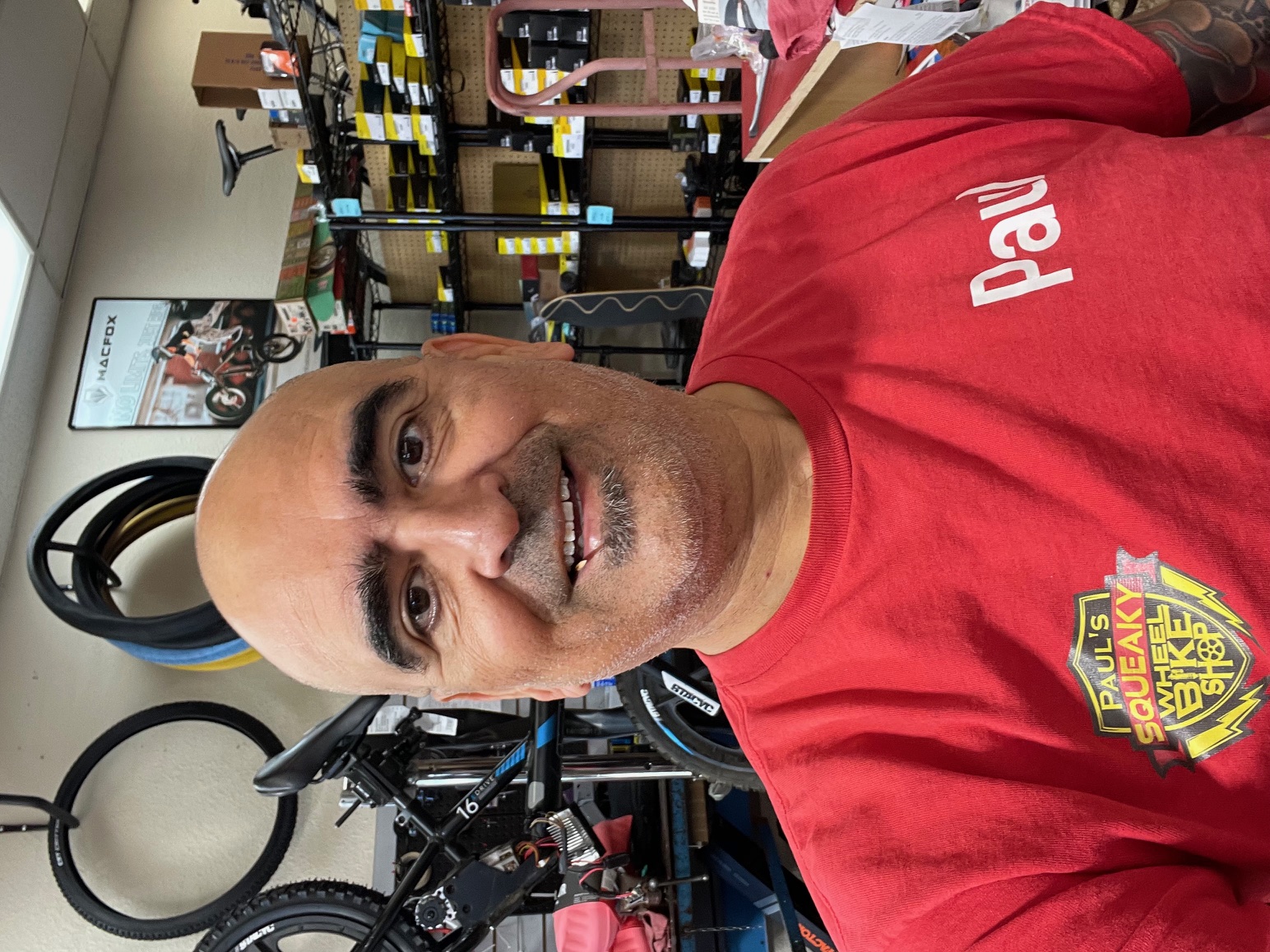
I see most of our suppliers are already doing all they can to make things easier for us at the shop. Inventory levels are generally good, and we're able to keep customers happy. We have regular visits from most of our reps. Dennis Barrett, an independent rep who knows the retail game very well, has been doing a great job for us. He visits in-person, provides a detailed list of things that need replenishing that we may not notice, shares items that are selling well for other shops, and makes recommendations for new products we could carry. Also, QBP recently started offering a discount for using ACH, which is cool. These little things add up over the course of the year.
Shipping costs are an ongoing issue, and I've noticed that consumable products like tubes seem to be creeping up in price month after month. This chips away at profits, and if we bump up prices, our customers shop at Walmart instead. We try to hit the minimums to get free shipping, but that can force us to spend more money at times when it’s tight. Spreading some products from the east to the west would be great. We're in California, and we always try to purchase from West Coast warehouses so we're not paying high shipping costs for a single item from the East Coast, but it’s not always possible.
SOMERVILLE, N.J.: Marc Cianfrone, owner Pops Bike Shop
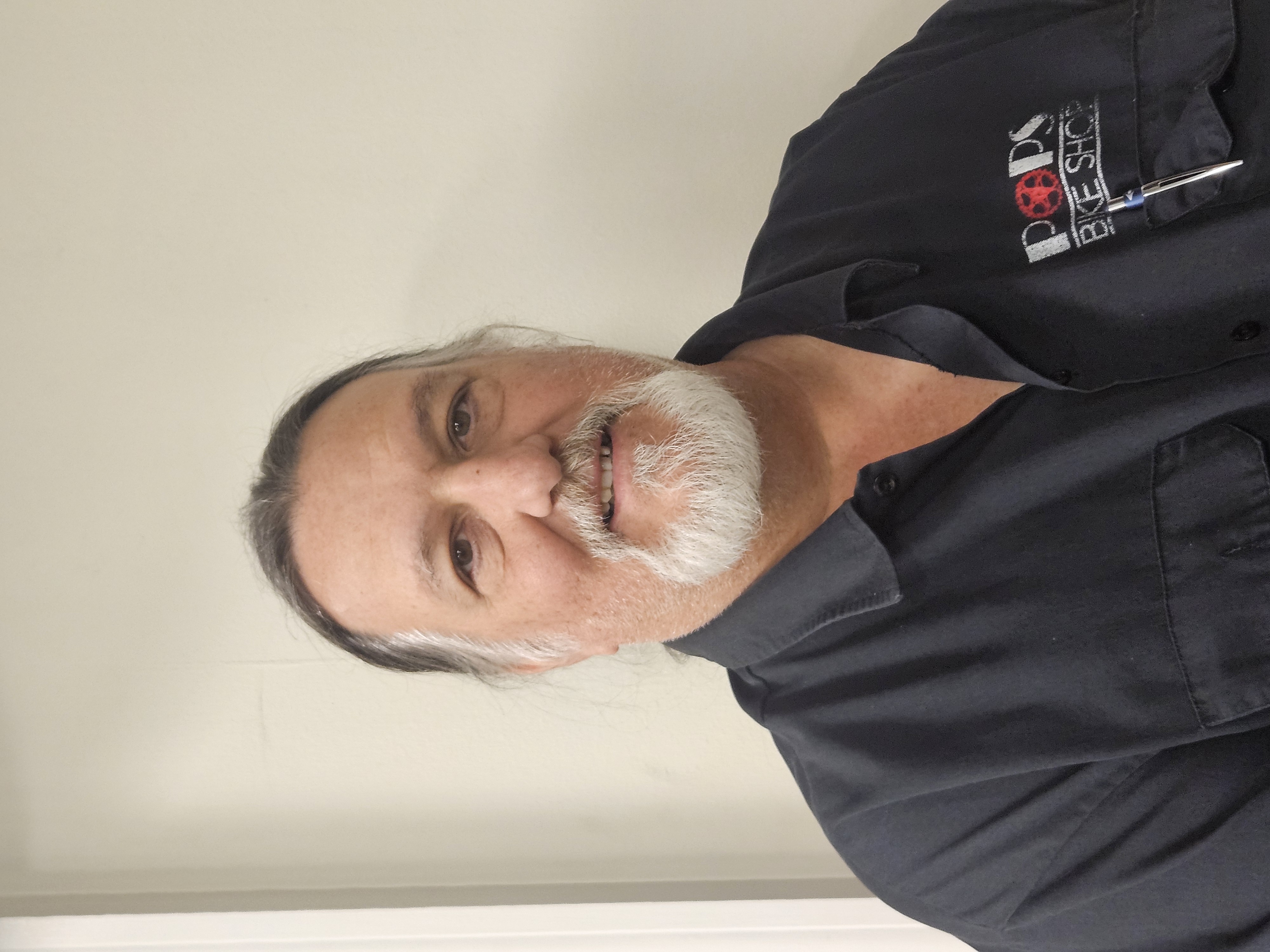
In the last few years, I haven’t had a single supplier tell me that my business can be more profitable with their product. Since COVID, suppliers have been more focused on direct-to-consumer sales than finding ways to strengthen their relationships with dealers. Making it cheaper for customers to order directly from suppliers rather than the local dealer has been detrimental. I shouldn’t be in direct competition with my suppliers. I’d like to see suppliers refer consumers to their local dealer, or at least give dealers full margin for doing all of the assembly, fitting, and aftermarket warranty/service work on D2C purchases. Their ridiculous policies of offering free shipping to the consumer buying one bike directly, but requiring dealers to purchase up to 20 bikes to qualify for a freight stipend is absolutely ludicrous. Stop undercutting us at every turn. Start paying us our full service charges (not "wholesale value" of service rates) when we have to fix the suppliers’ screw ups. Finally, when did everyone decide we need 10 new e-bike models every year, but we don’t need any 16-inch and 20-inch coaster brake bikes for kids at all? It’s completely short-sighted and hurts family bike sales.
BUFFALO, N.Y: Jim Costello, sales director Bert's Bikes and Fitness
Most supplier policies have changed to focus their business model on direct-to-consumer sales since the pandemic. The things we would like suppliers to stop doing are: selling direct to consumers, setting the price of discontinued products, putting all sorts of proprietary parts on bikes and failing to keep replacement parts in stock, and making bad decisions like designing hybrid bikes with internal cables. We're not supporting any of those changes. With 10 locations, we try to make our own policies and protect our business model. Our policy is to make the best decisions for our business, not for our suppliers’ businesses.
We’d like suppliers to resume offering reasonable margins on their products. Manufacturers have been stealing dealer margins for the last 20 years. Bikes priced under $2,000 should have no less than 40% margin. Bikes under $1,000 should have a 45% margin — at minimum. Accessories should start at 50% margin. Suppliers should also pay reasonable labor credits, so we don't lose money selling your bikes, and they should send salespeople around on a regular basis. Let's put the focus back on servicing dealers.
MITCHELL, S.D.: Kourtney Denne, co-owner Ron’s Bike Shop
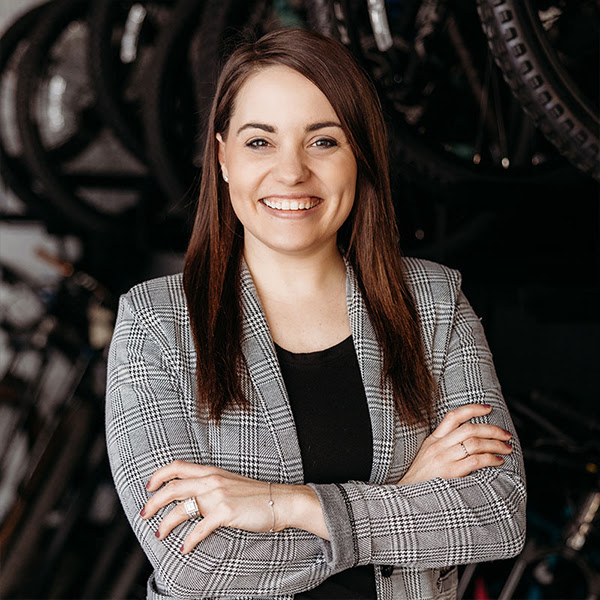
Overall, we value our supplier relationships, but greater pricing stability, improved inventory management, and stronger support for independent retailers would help create a healthier and more sustainable business environment for both dealers and suppliers. Today, many suppliers place a greater emphasis on forecasting and preseason commitments, requiring dealers to plan purchases further in advance than they did before the pandemic. At the same time, the industry has shifted from severe product shortages to periods of excess inventory, resulting in more frequent promotions, closeout sales, and pricing adjustments. Some brands have also expanded direct-to-consumer sales channels, changing the relationship between suppliers and independent retailers.
We would like to see suppliers place a greater emphasis on maintaining stable pricing and protecting dealer margins. We’d also like suppliers to increase communication and transparency around inventory, product launches, and promotions. This would help us make more informed purchasing decisions, manage cash flow, reduce excess inventory, better serve customers by having the right products available at the right time, and avoid situations where recently purchased products are heavily discounted shortly afterward. Finally, we would like suppliers to continue investing in dealer support, training, and service resources. Independent bike shops play a critical role in assembling, servicing, and supporting the products suppliers sell. Expanded technical training, warranty support, and parts availability help us provide a better customer experience and keep riders on their bikes. Strong dealer support ultimately benefits both the retailer and the supplier by creating more satisfied and loyal customers.
SANTA ROSA, Calif.: Sophia Emad, social media/event specialist and sales associate Breakaway Bikes
The post-COVID era has been a rough transition. Predictability of inventory has diminished, terms have gotten worse, and shipping policies have worsened. Since COVID, pre-books have gotten very rigid, and it feels as though the pressure is on shops to meet the supplier's own inventory demands. We’d like suppliers to make pre-books more flexible. There has also been a huge shift toward e-bikes, which is understandable, but it doesn't match the demand we are seeing from our customers. It would be nice for the emphasis to be back in the middle. The third thing that we wish suppliers would handle better is their high turnover in staffing. Lately it seems as though we are never talking to the same person, which makes everything seem clinical and frustrating. We have one request for what we’d like suppliers to start doing: provide good communication about product launches. When we are familiar with a product, we are much more likely to be able to sell it successfully. It is beyond frustrating to find out from the website that there is a new bike out there that we haven't heard anything about.
EDMONTON, Alberta: Mark Rumsey, general manager and owner Hardcore Bikes
The biggest changes we’ve seen are the rise of direct-to-consumer, the erosion of margins, higher thresholds for free shipping, and less territory protection. We’re a northern shop with peak sales between April and June, so we would like for bike suppliers to stop running out of many bike models in April and introduce new models in June, because that leaves a supply hole for us. We would also like suppliers to stop putting their bikes into any shop that will take them to hit an arbitrary area sales percentage number, and to cease having midseason launches that devalue current stock. The things we’d like suppliers to start doing are to pay for warranty labor, or stop offloading their warranty expense onto dealers; to protect their current and committed dealers; and to stock bikes when shops need them. Many of the things bike suppliers are doing that affect us negatively are pure survival. In a tough market, they’re choosing short-term expediency over longer-term relationships. On the one hand, this is understandable as it is "do or die." On the other hand, bike shops have very long memories.
INDEPENDENCE, Ohio: Matthew Schieferstein, manager/bike fitter Gear Up Velo

Shipping charges and overall cost of goods have increased across the board. Some suppliers have moved to an omni-channel approach to cast a wider net for certain products. We wish suppliers would stop requiring such high limits for free shipping (e-bikes notwithstanding). The retail price for a quality, off-the-rack bike is getting absurd. And, my biggest gripe: There are too many proprietary stems/handlebars, especially on entry- to mid-level bikes not intended for racing. We’d like suppliers to start planning release dates for new products to coincide with the actual riding season, to work more directly with the IBDs and to steer away from direct-to-consumer bicycles, and to focus on bicycle design that is rideable by the average person, from the perspective of frame geometry, adjustability, and versatility.
WHITEHOUSE, Texas: Laurie Simpson, manager/buyer Simpson's Fitness & Adventure Sports
We are a Trek dealer, and I wish Trek would allow IBDs to sell Red Barn bike inventory. Red Barn, its certified pre-owned bike program, started as a way to keep bikes out of landfills, giving bikes a refreshed life, but it’s become more of a return center for Trek's consumer-direct online store. It has over 500 bikes with lifetime warranties on the frame, some current year and below our cost, and we can't compete. Our customers have found this tab on its website and it's cutting out the IBD, extracting customers for life as long as Red Barn is around. I emailed the president of Trek and within 24 hours, a meeting was set up. We were pleased with the outcome because we were able to explain that they are not competing against Facebook Marketplace, so they need to mark up these bikes. Trek's 50th is big and it has done something right, so I'm excited to see what the future holds on Red Barn being profitable for all IBDs and Trek.
BENTONVILLE, Ark.: Brent Van Eps, co-owner Trackstand Cyclery and Tavern

We have a service and repair business, so we’re a bit insulated from all of this, but we would like suppliers to stop charging such high shipping costs. There has to be a way to get this under control so ordering parts on Amazon isn't less expensive than ordering from my distributors. We would like to see suppliers stop having gaps in warehouse stock, and it would be great if items were stocked in one warehouse and shipped from there. The multiple warehouse model is failing as far as I see. We’d like suppliers to stop forcing a new order to be created in situations where items could be added to an existing order. If it hasn't been packed yet, this shouldn’t be difficult. Along these lines, we would like suppliers to lower minimums to something like $250 for free shipping, and have critical items like tubes, tire sealant, rim tape, chains, brake pads, etc., in stock at all warehouses all the time. Finally, we’d like them to start checking in with dealers to get a feel for things. This used to be common.