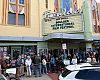
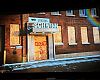
BOULDER, Colo. (BRAIN) — As part of the Boulder International Film Festival (April 10-13), the movie No Hands: The Wild Ride of the Schwinn Bicycle Company had its world premier April 11 at Boulder Theater, followed by a VIP reception at University Bicycles five blocks away.
The movie was based on the No Hands book, published in 1996 and carefully researched by two Crain's Chicago Business reporters. It was widely read around the industry, as we don't get very much insightful analysis from the "outside world."
When the producers of No Hands announced they were turning the book into a movie, I had mixed feelings. The book was wonderfully written and researched and gave insights into the finances of the bike industry that were news to me and many colleagues.
Improving on the book seemed unlikely, but I was willing to give it a try. I was also interested in watching it (or trying to) from the perspective of both an industry person and a casual cyclist.
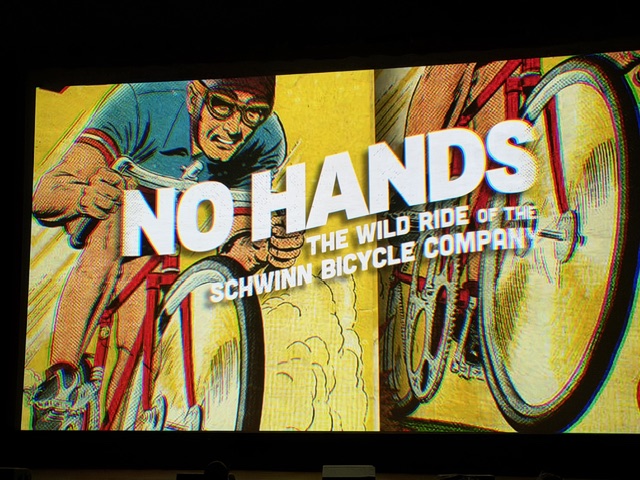
It turns out the movie is quite a bit different than the book, and surpasses it in most ways as entertainment if not quality of analysis. It's much more forgiving of all concerned in the Schwinn downturn, especially fourth-generation leader Ed Schwinn.
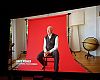
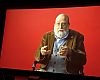
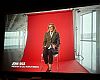
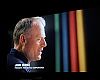
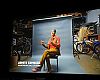
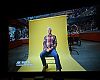
The movie features industry voices that were not present in the book in live interviews, which to a hard-core industry person adds so much, whereas a cyclist on the street probably doesn't care what John Burke or Jenn Dice thinks.
So I'll walk you through my experience. I hope you find a place to watch it near you and experience it for yourself. It's well worth the effort.
Here's the story in a nutshell. Schwinn dominated the U.S. market for decades, and both the 1970s bike boom and the establishment of the mountain bike category in the early 1980s gave Schwinn a chance to keep up with the trends. A chance they failed to take.
The movie quickly introduces us to our narrator, Lance Armstrong. Which a few in the hardcore (HC) audience embraced, many just tolerated, and Lance for sure caused some to stay home. To the JRA types (just riding along, aka casuals), Lance is still some sort of a hero, I imagine.
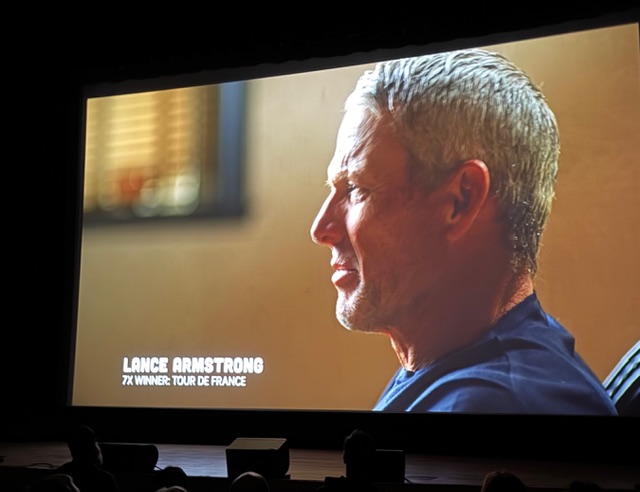
The first slide introducing Lance had a title: 7x Winner: Tour de France. The HCs burst out laughing, the JRAs wondered what was so funny? Jenn Dice did Narrator No. 2 duties with her usual aplomb.
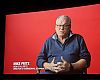
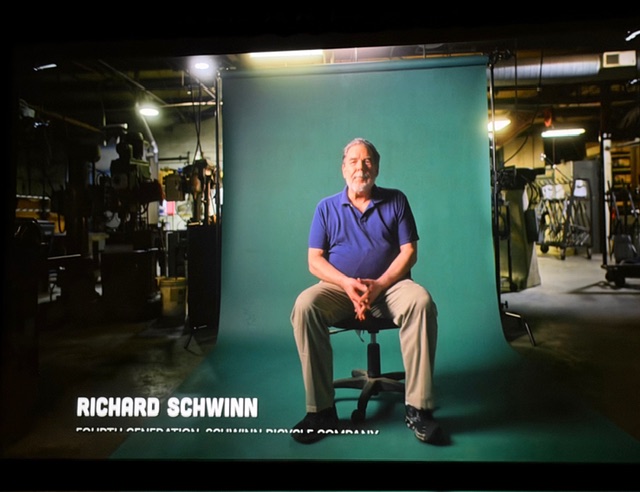
Richard Schwinn, whose Waterford Precision Cycles factory shut down during the film's production, spoke almost exclusively for the Schwinn family. It was great to hear remembrances from Jay Townley and Mike Fritz, who both worked at Schwinn during the Glory Days.
The real industry difference maker was John Burke. His fascinating portrayal of the back-and-forth between Trek and Schwinn added so much relevant context that was lacking in the book. I estimate that he had the most screen time of anyone in the film.
I asked executive producer Jim Packer if there were any quid pro quos in force. Did the Schwinn family ask you to take it easy on Ed Schwinn? Did Lance insist on his "7x Winner" title? Packer told me no, their team had full editorial control. And I pretty much believed him.
Mid-movie, we were treated to a film-within-a-film about the evolution of the mountain bike scene, the Repack days and the Stumpjumper as the first commercially available mountain bike. Wild cheering from the HCs, "Yo, Zap! Yo, Gary!"curious silence from the JRAs.
And then we inevitably moved on to Schwinn's demise. The biggest departure from book to movie in my opinion was how Ed Schwinn was treated. The book savaged him. The movie spent maybe 20% of the total that the book did describing Ed's shortcomings. The movie's take: "Poor Ed, he did the best he could."
Many ex-Schwinn employees in attendance bemoaned the lack of coverage about the resurgence of Schwinn in Boulder, which happened after the book was written.
On to the after-party at U Bikes. Marvelous food from Boulder's Best Baker Lindasue Smollen. Noise levels unprecedented in the history of the building. A great gathering of local HCs, industry notables and movie people.